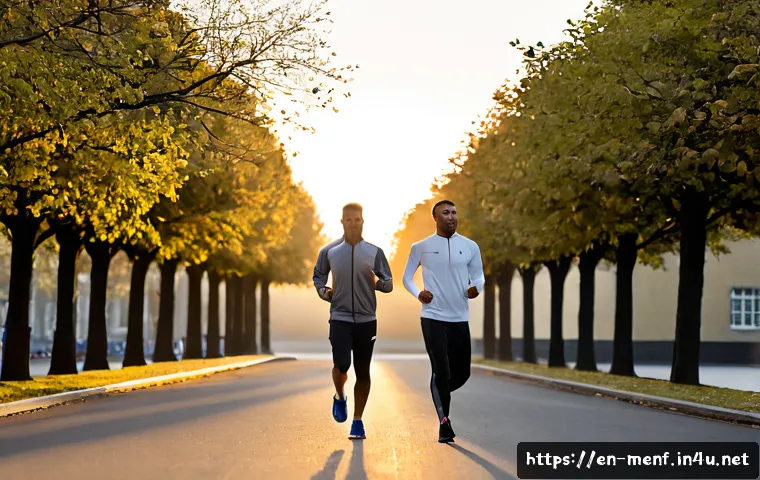
The most useful men’s activewear trends are versatile performance layers for mixed routines, relaxed athletic fits for everyday comfort, and sport-specific pieces where movement or weather demands more.
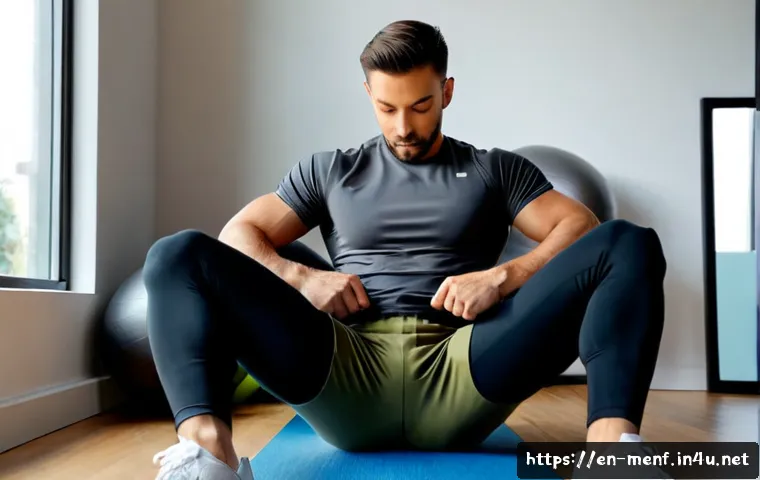
Buy basic gym clothing for simple indoor training, but compare technical fabric, fit, and construction when you run, train outdoors, or need gear that also works for travel.
The best performance apparel is not necessarily the most expensive option; it is the piece that suits your activity, laundry routine, and preferred level of coverage.
A focused rotation usually delivers more value than several similar shirts or shorts in different colors. Before choosing, consider how often you will wear it, how it moves with you, and whether the retailer’s return policy allows a proper fit check.
At a Glance
- For training: Choose breathable tees, secure shorts, and flexible joggers that do not distract from movement.
- For everyday wear: Relaxed athletic fits and refined basics offer the easiest workout-to-weekend transition.
- For mixed use: Lightweight layers and durable technical fabrics can be worth comparing when weather, travel, or repeated wear matters.
| Primary Use | Fabric Priority | Typical Price Tier | Buying Priority |
|---|---|---|---|
| Indoor gym training | Breathability, stretch, easy care | Entry-level to mid-range | Fit, range of motion, waistband comfort |
| Running and outdoor workouts | Moisture management, temperature control, secure details | Mid-range to premium | Movement, coverage, pockets, layer compatibility |
| Travel and casual athleisure | Comfort, wrinkle resistance, versatile appearance | Entry-level to premium | Comfort, styling flexibility, cost per wear |
| Sport-specific sessions | Activity-appropriate stretch, abrasion resistance, support | Varies by construction | Function first; trend details second |
What Is Shaping Men’s Activewear Right Now?
Men’s activewear is increasingly designed to work beyond a single gym session. The practical direction is toward pieces that can layer easily, move comfortably, and look intentional enough for errands, travel, or a casual weekend plan. That does not mean every athletic clothing item needs a technical feature list. It means choosing the features that match your actual routine.
The Shift From Gym-Only Clothing to Versatile Performance Layers
A lightweight overshirt, zip layer, technical tee, or tapered jogger can cover more situations than a highly branded gym-only piece. These performance layers are useful when you move between indoor and outdoor spaces or want one outfit for a workout and the rest of the day. Look for a layer that sits comfortably over a tee without feeling restrictive at the shoulders or bunching at the waist.
Versatility is valuable only if the garment still performs where you need it. A casual-looking layer may be fine for a warm-up or commute, but it may not provide the moisture management or weather protection required for longer outdoor exercise. Check the product description and care label rather than assuming a sleek appearance means technical performance.
Relaxed Silhouettes, Refined Basics, and Sport-Specific Function
Relaxed athletic fits are a practical alternative to overly tight gym wear. A little room through the body and legs can make layering easier and can feel more natural for walking, travel, and recovery days. However, relaxed does not mean loose enough to interfere with running, lifting equipment, or court movement.
Refined basics remain a strong foundation: neutral tees, well-cut shorts, joggers, and lightweight outer layers can be worn repeatedly without looking like duplicates. Then add sport-specific function only where it helps. Runners may prioritize secure pockets and temperature control, while hikers may care more about abrasion resistance and layering. Strength training may require little more than comfort, stretch, and a dependable waistband.
Three Quick Buying Rules Before Following a Trend
First, start with the activity. Decide whether the item is for lifting, running, outdoor training, travel, or casual wear. Second, check movement before style. Raise your arms, bend, squat, and walk if trying it in store. Third, avoid duplicate roles. A new pair of shorts should solve a real gap, such as better pocket security, a different inseam, or improved comfort in a specific setting.
Trend-led colors, oversized cuts, and prominent logos can be enjoyable, but they should not override function. A good activewear purchase should still work after the visual trend changes.
Compare the Key Pieces by Activity, Fabric, and Value
The easiest way to compare men’s sportswear is to judge each item by the work it must do. A training tee, running short, and travel jogger may look similar on a product page, yet their useful details can be very different. Focus on the fabric feel, fit, construction, and how frequently you expect to wear it.
Training Tees, Shorts, Joggers, and Lightweight Outer Layers
Training tees should allow easy shoulder movement and remain comfortable as you warm up. If you mainly train indoors, a straightforward breathable tee may be enough. A more technical option can make sense if you exercise frequently, sweat heavily, or want a shirt that dries more quickly between uses.
Shorts deserve closer inspection than many buyers give them. Consider inseam preference, liner construction if included, waistband stability, and whether pockets stay useful while moving. For gym sessions, simple pockets may be sufficient. For running or commuting, pocket security can matter more than extra styling details.
Joggers are most useful as a warm-up, travel, recovery, or casual piece. Look for enough room at the thighs and knees, especially if you plan to squat or sit for long periods. Lightweight outer layers can add more wardrobe flexibility than another basic tee, but only if the cut works over the clothes you already own.
Moisture-Wicking, Stretch, Abrasion Resistance, and Temperature Control
Technical fabric terms can help comparison shopping, but they are not automatic proof of better value. Moisture management can be relevant for high-output activity. Stretch may matter for lifting, mobility work, and court sports. Abrasion resistance can be useful for outdoor training or activities involving repeated contact with surfaces. Temperature control is more important when your training includes changing weather or long periods outside.
Read current product labels carefully. Claims involving recycled materials, odor control, compression, or specialized fabric treatments can vary by item and may come with specific care requirements. A fabric that feels ideal for one buyer may feel too warm, too slick, or too structured for another.
Price Tiers: When Entry-Level Basics Work and When Premium Construction Matters
Entry-level gym clothing can be a sensible choice for basic indoor workouts, occasional sessions, or testing a new fit. There is little reason to pay for advanced features you will not use. Budget basics are also helpful when you need enough rotation to avoid doing laundry after every session.
Premium sportswear may be worth considering when construction affects your experience: repeated running, frequent outdoor training, demanding travel, or a garment you expect to wear across several settings. Better value can come from a piece that fits consistently, stays comfortable during its intended activity, and earns regular use. It does not come simply from a higher price tag or a popular brand name.
Build a Practical Activewear Rotation Without Overspending
A functional activewear wardrobe should reduce friction. You should be able to get dressed for a session without wondering whether your only usable shirt is still in the wash. Build around repeatable categories, then add specialized pieces only after identifying a genuine need.
A Core Wardrobe for Gym Sessions and Weekly Laundry Cycles
Begin with a small rotation of training tees, shorts or joggers, and one layer for warm-ups or cooler conditions. Choose pieces that work together instead of buying isolated statement items. Neutral colors can simplify this, but the main goal is compatibility in fit and purpose.
For most gym-focused routines, prioritize enough usable clothing for your own weekly laundry cycle. The exact amount depends on how often you train, how much you sweat, and how quickly you wash clothing. Buying several nearly identical items without a clear use case can create clutter rather than convenience.
Adding Running, Court Sports, Hiking, or Commute-Ready Pieces
Add specialist gear when your activity exposes a weakness in your existing rotation. For example, a runner may need more secure storage or a layer that works in cooler conditions. A court-sport player may value unrestricted movement and a cut that stays in place. Outdoor exercisers may benefit from fabrics and layers selected for changing conditions.
For travel and commuting, look for athletic clothing that remains comfortable while sitting and pairs easily with casual footwear or a simple jacket. This is where relaxed silhouettes and clean, refined basics are especially useful. Still, do not expect one piece to replace dedicated gear for every sport.
Cost-Per-Wear Thinking Instead of Buying Duplicate Colors and Styles
Cost per wear is a useful comparison tool because it shifts attention from the purchase moment to long-term use. A mid-range jogger worn often for warm-ups, travel, errands, and recovery may offer more practical value than a cheaper item that stays in a drawer. On the other hand, an expensive technical top has limited value if it does not fit your routine.
Before adding another colorway, ask whether it serves a new role. A different inseam, warmer layer, more durable fabric, or safer pocket design can justify another purchase. A nearly identical item often cannot.
Fit, Care, and Shopping Mistakes That Reduce Performance
Fabric technology cannot compensate for poor fit or unsuitable care. Many disappointing activewear purchases are not caused by the garment category itself; they come from skipping basic checks before and after buying.
Choosing the Wrong Fit for Lifting, Running, or Layering
For strength training, avoid clothing that pulls at the shoulders, waist, hips, or knees during common movements. For running, excess fabric can feel distracting, while an overly tight garment may feel restrictive over longer sessions. For layering, make sure the base layer and outer layer have enough room to work together.

Fit language varies across brands, so terms such as “athletic,” “relaxed,” or “slim” should be treated as starting points, not guarantees. Review the brand’s current size guidance and use the return policy as part of the decision, especially when trying a new retailer.
Ignoring Inseam, Pocket Security, Waistband Design, and Seam Placement
Small construction details can have a large effect on comfort. Inseam length affects coverage and mobility. Pocket security matters when carrying keys, cards, or a phone during movement. Waistband design affects whether shorts and joggers stay comfortable through squats, strides, and seated travel. Seam placement can influence how a garment feels during repeated motion.
When comparing gym clothing bundles or individual pieces, inspect product images and descriptions for these practical details. If a feature matters to your routine, do not assume it is included because two items look alike.
Washing Habits That Can Shorten the Life of Technical Fabrics
Always check the care instructions on the item you buy. Technical fabrics, treatments, and trims may have different requirements from ordinary cotton basics. Ignoring those instructions can affect fit, feel, color, or fabric performance over time.
A simple routine helps: separate heavily soiled gear when needed, avoid treating every activewear item as identical, and inspect garments for stretched waistbands, damaged seams, or fabric thinning. Replacement should be based on condition and function, not only on how long you have owned the item.
Choosing the Right Look for Your Routine
The best activewear look is one that supports the way you move and feels appropriate when your workout ends. Rather than copying every sportswear trend, choose a silhouette that fits your activity and a level of polish that matches where you will wear it.
For Strength Training and Studio Workouts
Strength training and studio sessions usually reward dependable basics: a breathable tee, shorts or joggers with comfortable stretch, and footwear suited to the activity. Clean lines and a relaxed-but-controlled fit are often enough. Avoid overly loose tops or bottoms if they interfere with movement or equipment.
For Runners and Outdoor Exercisers
Runners and outdoor exercisers should put function ahead of fashion. Consider moisture management, practical storage, layer compatibility, and comfort over repeated movement. A lightweight outer layer may be more useful than another casual sweatshirt when conditions change during a session.
Running shoes and performance apparel should be evaluated separately but used together. The apparel should not create rubbing, overheating, or storage problems that distract from your footwear and form. Check current product details rather than relying on broad “running” labels.
For Travel, Errands, and Casual Athleisure Outfits
For casual athleisure, choose pieces that feel easy without looking unfinished. Tapered joggers, structured tees, and simple technical layers can transition well from travel to errands. Neutral shades are easy to combine, but a color or pattern can work if the garment still pairs with the rest of your rotation.
Comfort should remain the baseline. If an item only looks good standing still but feels awkward when walking, sitting, or carrying a bag, it is unlikely to become a high-value part of your wardrobe.
Selection Criteria and Comparison Summary
Before buying, compare activity, fit, fabric, durability, return policy, and cost per wear. Ask whether the garment solves a real problem in your current rotation, whether its technical fabric features matter for your sessions, and whether the construction details support your movement. Premium construction can be worth the extra cost when you will use the function regularly; otherwise, budget basics may be the more sensible choice. Check the official product page for current material details, care instructions, sizing guidance, and return conditions before placing an order.
Prioritize Activity, Fit, Fabric, Durability, and Return Options
Rank these factors in the order that matters to you. A runner may put fit and moisture management first. A traveler may value comfort and versatility. A gym-only buyer may prioritize a reliable fit and easy-care fabric. Return options are especially important when fit is uncertain.
When a Premium Item Is Worth the Extra Cost
Consider a premium item when it has a clear advantage you will repeatedly use, such as a more suitable cut, useful layer design, sport-specific durability, or construction that works better for your preferred activity. Do not pay more merely because an item is described as technical or limited edition.
A Final Checklist Before Buying Activewear Online or In Store
Confirm the intended activity. Check measurements and fit guidance. Review fabric and care information. Look closely at pockets, seams, waistbands, and inseam details. Finally, compare the return policy and ask how often you realistically expect to wear the piece.
Final Thoughts
Men’s activewear trends are most useful when they make a routine easier, not when they add more items to own. Start with adaptable basics, then upgrade selectively for running, outdoor exercise, or sport-specific needs. A well-fitting tee, short, jogger, and layer can cover a surprising range of situations. Choose performance features with a purpose, and let repeated wear determine value.
Useful Information to Keep in Mind
Fit labels vary: “Athletic” and “relaxed” can mean different things across brands.
Read care labels: Technical fabric claims and maintenance needs should be checked on each item.
Review construction: Pockets, seams, waistbands, and inseams often matter more than surface styling.
Shop by role: A versatile rotation is usually more useful than multiple near-identical pieces.
Important Notes
Fabric performance, availability, product specifications, and retailer policies can change by brand, season, region, and activity. Higher-priced performance apparel does not automatically provide a better fit, durability, moisture management, or overall value. Verify current labels, size information, care instructions, and return terms for the specific item you are considering.
Frequently Asked Questions
Q1. What men’s activewear pieces are worth investing in first?
A1. Start with the pieces you will wear most often: comfortable training tees, shorts or joggers that suit your movement, and a lightweight layer if your routine includes warm-ups, travel, or cooler conditions. Invest first where fit or function clearly improves your regular activity.
Q2. Is premium sportswear actually better than budget gym clothing?
A2. Not automatically. Budget gym clothing can work well for straightforward indoor sessions. Premium sportswear may offer better value when its construction, technical fabric, fit, or activity-specific details solve a problem you encounter regularly. Compare fabric, fit, return policy, and cost per wear before choosing.
Q3. How should men choose activewear that works for both workouts and casual wear?
A3. Choose refined basics with a comfortable athletic fit, simple colors or easy-to-pair shades, and enough flexibility for movement. Lightweight layers, tapered joggers, and well-cut tees often transition smoothly. Make sure the item still performs for your workout rather than choosing it only for its casual appearance.