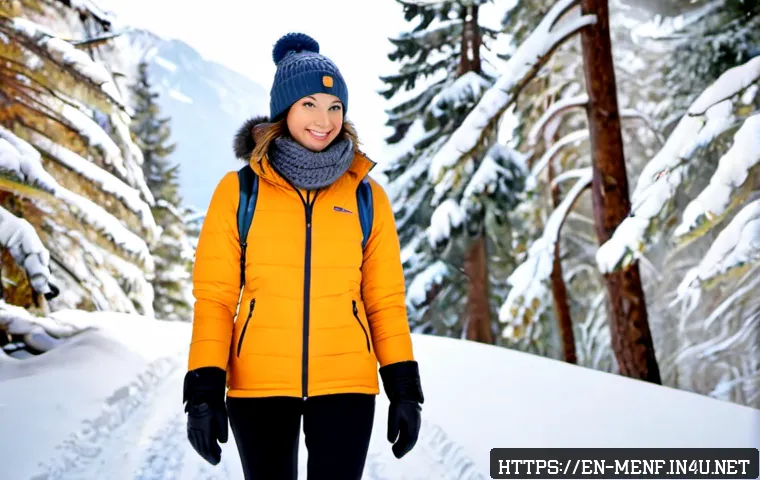
Build a winter outdoor outfit around your activity level, expected moisture, and time spent outside—not around one expensive jacket. Start with moisture-managing layers, enough insulation for your pace, and weather protection when wind, rain, or snow is likely.
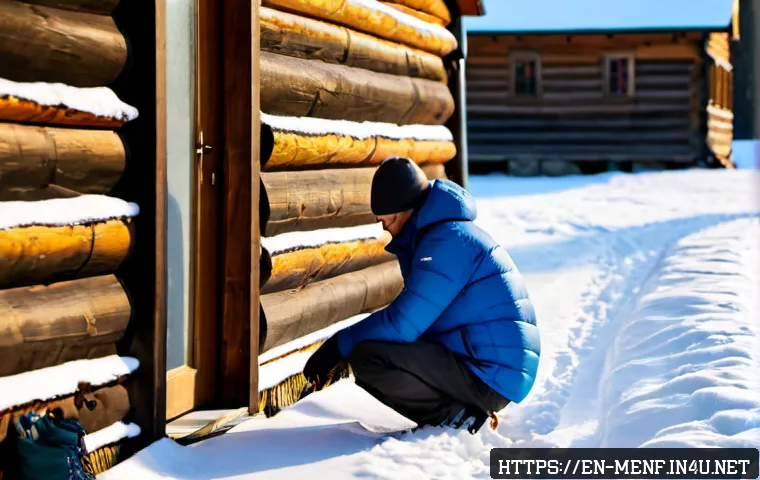
A commuter standing at a bus stop needs a different setup from a hiker generating heat uphill. Comparing a winter jacket, base layer, insulated footwear, and waterproof gear by use case helps prevent unnecessary purchases.
Fit also matters: layers need enough room to trap insulating air and let you move comfortably. Before shopping, decide where you will go, how active you will be, and what conditions are realistic for your trips.
At a Glance
- Choose clothing based on activity level, weather exposure, and time outdoors before comparing products.
- A warm insulated jacket and waterproof outerwear solve different problems; many winter outings need both functions.
- Prioritize dry feet, flexible fit, and a practical layering system before adding extra accessories.
| Shopping Approach | Best For | Core Clothing System | What to Check Before Buying |
|---|---|---|---|
| Budget-focused | Occasional snow days, short commutes, casual travel | Base layer, fleece or similar mid-layer, weather-resistant outer layer, warm socks | Fit over layers, wind protection, room for thicker socks |
| Balanced setup | Regular walking, winter hiking, frequent commuting | Moisture-managing base layer, insulating mid-layer, waterproof shell or insulated outerwear | Waterproofing versus warmth, movement, care requirements |
| Higher-use setup | Long outdoor days, wet conditions, repeated seasonal use | Durable layered system, purpose-matched insulated footwear, protective accessories | Durability, compatibility between layers, return policy, long-term care |
The Fast Answer: Build Your Outfit Around Activity, Weather, and Time Outdoors
The most useful winter outdoor clothing system is usually not a single heavy item. It is a set of layers that can be adjusted when your pace, weather, or plans change. Start by separating three jobs: managing moisture, retaining warmth, and blocking wind or precipitation. This makes it easier to compare winter jackets and outdoor gear without paying for features that do not match your routine.
Start with a base layer, insulation, and weather protection
A basic layering system typically includes a moisture-managing base layer, an insulating mid-layer, and an outer layer for wind or precipitation. The base layer sits next to the skin and helps manage sweat. The mid-layer adds warmth, while the outer layer provides weather protection. You may not need all three layers for every short outing, but understanding their separate roles makes shopping more practical.
Buy for the coldest realistic condition, not the average forecast
Think about the conditions you are actually likely to face: wind during a commute, wet snow on a trail, or a long period of sitting still at camp. The average forecast may not describe the hardest part of the day. A flexible system lets you add insulation when resting and remove a layer when moving quickly. Avoid assuming that one warm jacket will also handle rain, snow, and wind.
Prioritize dry feet and flexible movement before extra accessories
Cold, damp feet can make an otherwise good outfit uncomfortable. Insulated footwear should be chosen for terrain, expected moisture, temperature, and how long you will be standing still. Try boots with the socks you expect to wear, and leave enough room for comfortable movement. Hats, gloves, neck coverage, and socks are also high-value additions because exposed areas can lose heat quickly.
Compare Winter Layers by Warmth, Waterproofing, and Value
When comparing cold-weather layering options, do not treat warmth, waterproofing, and durability as the same feature. A product can be strong in one area and less suitable in another. The right value comes from choosing the features you will actually use repeatedly.
Base layers: merino wool versus synthetic fabrics
Both merino wool and synthetic base-layer options can be useful alternatives to cotton for winter activity. Cotton can retain moisture and may feel colder after sweat or snow exposure. For active hiking, snowshoeing, or long walks, a moisture-managing base layer can be more useful than simply adding a thicker outer jacket. Choose a fit that sits close enough to layer smoothly without feeling restrictive.
Mid-layers: fleece, insulated jackets, and active insulation
A fleece or insulated mid-layer adds warmth between the base layer and shell. The best choice depends on how much heat you generate. A person moving steadily may need a lighter insulating layer than someone waiting outdoors or sitting around camp. When comparing an insulated jacket, consider whether it will be worn as a mid-layer, as everyday outerwear, or as part of a more complete waterproof gear system.
Outerwear: insulated jackets, shells, and 3-in-1 systems
An insulated winter jacket focuses on warmth. A shell focuses on blocking wind or precipitation. A combined system can be convenient for changing conditions, but it still needs to fit your activity and layering plan. For wet winter weather, confirm whether the outer layer provides the level of waterproof protection you need. Do not assume that insulation alone protects against rain or melting snow.
Cost-per-use: when premium materials may be worth it
A higher-cost piece may make sense when it will be used frequently, exposed to rough conditions, or relied on across several activities. Durability may matter more for repeated hiking or travel than for a few casual snow outings. On the other hand, an occasional user may get better value by building a simple, adaptable system first. Compare construction, intended use, care instructions, and return policies rather than relying on price alone.
Avoid the Winter Clothing Mistakes That Waste Money
Many disappointing winter purchases are not caused by buying cheap gear. They happen when a good product is used for the wrong job or paired with layers that limit its performance.
Choosing insulation when you actually need rain or wind protection
If your concern is wet snow, rain, or strong wind, extra insulation may not solve the main problem. Consider whether you need a waterproof shell, better wind protection, or a layer that can be adjusted as conditions change. Separating these needs keeps you from replacing a jacket that is warm enough but lacks weather protection.
Wearing cotton for sweat-heavy activities
Cotton can hold moisture after sweating or snow exposure, which may leave you feeling colder. This is especially relevant for hiking, snow play, and other activities with changing effort levels. A wool or synthetic alternative may be more practical when you expect to work up a sweat.
Buying boots or jackets too tight for layered socks and mid-layers
Overly tight layers can restrict movement and leave too little room for insulating air. A jacket should allow a realistic base layer and mid-layer underneath. Footwear should be tested with the socks you plan to use. If possible, check walking comfort, ankle movement, and whether the boot still feels comfortable when you are standing still.
Ignoring care instructions that affect waterproof coatings and loft
Winter gear needs appropriate care to continue performing as intended. Read the care instructions for shells, insulated jackets, and other technical clothing before washing or storing them. Waterproof coatings and insulation loft can be affected by improper care, so treat maintenance as part of the total ownership decision.
Choose a Setup for Hiking, Commuting, Camping, or Casual Snow Days

The best winter outdoor fashion is practical first. A good-looking outfit can still work well, but it should match how your body heat and weather exposure change during the day.
Active winter hiking and snowshoeing
Prioritize a moisture-managing base layer, adjustable insulation, and an outer layer for wind or precipitation. Because activity can create sweat, avoid relying on a single bulky insulated jacket while moving. Choose footwear based on terrain and moisture, and pack gloves, a hat, and neck coverage for rest breaks or changing weather.
Daily commuting and urban travel
Commuting often involves short walks followed by periods of standing still. An insulated jacket may be a practical centerpiece, especially when paired with comfortable layers underneath. If rain, slush, or wet snow is common on your route, waterproof footwear and a weather-protective outer layer deserve extra attention.
Cold-weather camping and low-movement activities
Low-output activities require more focus on insulation because you are not generating as much heat through movement. Use roomier layers that trap air without restricting circulation or movement. Bring accessories seriously: gloves, warm socks, head coverage, and neck coverage can strongly affect comfort during long stationary periods.
Family outings and occasional snow trips
For occasional use, start with versatile basics rather than building a specialized kit all at once. A suitable base layer, warm mid-layer, weather protection, and footwear that handles expected moisture can cover many casual situations. Check that children and adults can move freely; clothing that is too stiff or tight often gets left unused.
Winter Gear Selection and Comparison Summary
Best first purchases for a limited budget
Start with the pieces that address the biggest comfort gaps: a non-cotton base layer for active use, warm socks, gloves and head coverage, and footwear suited to expected moisture. Then add a mid-layer or outerwear upgrade based on whether you need more warmth, wind protection, or waterproofing. This order helps avoid spending heavily on one item while overlooking dry feet or moisture management.
When to pay more for waterproofing, insulation, or durability
Pay closer attention to waterproofing when wet weather is likely. Focus on insulation for cold, low-movement conditions. Consider durability when the item will see frequent use, rough terrain, or repeated travel. These are separate purchase decisions, even when they appear in the same winter jacket or boot comparison.
Final fit, comfort, return-policy, and compatibility checklist
Before choosing winter outdoor clothing, check insulation, waterproofing, fit, mobility, layer compatibility, and care requirements. Try to assess how each item works with what you already own. Compare insulation, waterproofing, fit, and return policies on the relevant product page before making a final purchase.
Closing Thoughts
A dependable winter outfit does not need to be built in one shopping trip. Begin with the conditions you face most often, then fill the most important gaps in your current clothing system. Keep warmth, weather protection, and durability separate when comparing options. A well-fitting set of adaptable layers is often more useful than one oversized item meant to do everything.
Useful Things to Know
1. Warmth and waterproofing are different features, so check both when comparing outerwear.
2. Cotton may be less comfortable after sweat or snow exposure than wool or synthetic alternatives.
3. Boots should be assessed with the socks you expect to wear outdoors.
4. Accessories can have a major effect on comfort in exposed winter conditions.
Important Considerations
Actual comfort depends on temperature, wind, precipitation, trip length, activity level, and individual fit. Product availability, pricing, warranty terms, and regional selection can change. Check current product specifications, care guidance, sizing information, and return conditions before purchasing. No single jacket, boot, or clothing system can be assumed to provide sufficient warmth or weather protection for every person or outing.
Frequently Asked Questions
Q1. What should I buy first for winter outdoor clothing on a limited budget?
A1. Start with the item that solves your biggest problem: moisture-managing layers for active use, warm socks and suitable footwear for cold or wet feet, or a weather-protective outer layer for wind and precipitation. Build outward from there rather than buying one expensive item first.
Q2. Is an insulated jacket enough for hiking in wet winter weather?
A2. Not always. Insulation provides warmth, while waterproof protection addresses rain, wet snow, and other moisture exposure. For wet winter hiking, consider whether you need a waterproof outer layer in addition to insulation and a moisture-managing base layer.
Q3. Are expensive winter boots worth it for casual walking and occasional snow trips?
A3. They may be worthwhile if you need frequent use, more durability, or reliable performance in wet conditions. For casual walking and occasional snow trips, a comfortable boot that fits thicker socks and matches expected terrain and moisture may be the more practical choice.