When it comes to elevating your style, men’s designer brands offer a unique blend of luxury, craftsmanship, and timeless appeal. These labels don’t just create clothes—they craft statements that speak volumes about personality and taste.
From sleek tailoring to innovative streetwear, designer brands set the pace for fashion trends worldwide. Whether you’re dressing for a casual day out or a formal event, the right designer piece can transform your look effortlessly.
Curious about which brands stand out and why they matter in today’s fashion scene? Let’s dive in and explore the world of men’s designer labels in detail!
Understanding the Craft Behind Luxury Fashion
Heritage and Artistry in Every Stitch
When you pick up a piece from a high-end label, you’re holding more than just fabric — you’re holding decades, sometimes centuries, of expertise and passion.
These brands often have rich histories that have been carefully preserved and evolved by master artisans. The attention to detail, from hand-stitched seams to the choice of the finest materials, sets these pieces apart.
I’ve personally noticed that wearing something crafted with such care feels different; it’s like you’re wearing a story, and that confidence subtly seeps into how you carry yourself throughout the day.
Materials That Speak Quality
One thing that always stands out with designer labels is their insistence on sourcing premium fabrics. Whether it’s cashmere sourced from Mongolia, Italian leather tanned to perfection, or innovative tech fabrics with performance features, the quality is unmistakable.
For example, a wool blazer from a designer house will drape and breathe far better than a mass-produced alternative. When I tried a jacket made from a blend of silk and merino wool, it was surprisingly lightweight yet warm—perfect for layering without bulk.
This focus on top-tier textiles is what justifies the price tag and keeps these brands ahead in the luxury game.
Timelessness Versus Trendsetting
While many think of designer brands as trend machines, the best labels balance innovation with timeless style. They create pieces that can stay relevant beyond a single season, which makes them a smart investment.
For instance, a classic trench coat from a renowned brand can seamlessly transition from year to year, while still looking fresh thanks to subtle design tweaks.
I find that investing in such versatile staples means my wardrobe feels more cohesive and polished, even when trends shift rapidly around me.
The Role of Tailoring in Defining Presence
Why Fit Matters More Than Anything Else
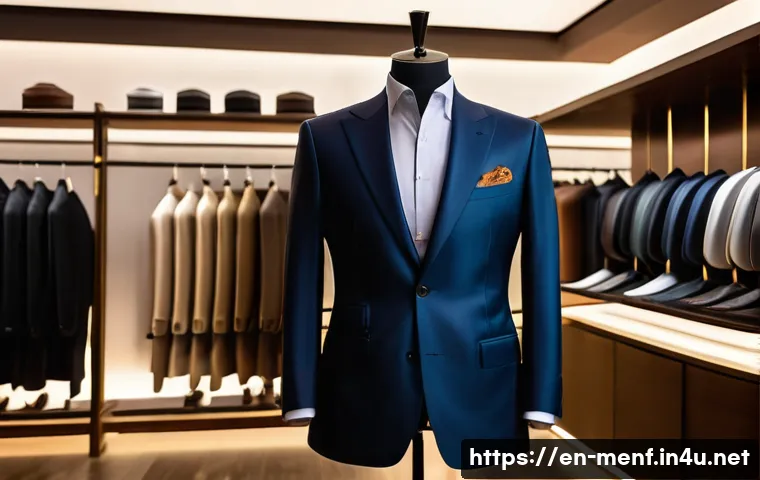
The magic of designer clothing often lies in the fit. A well-tailored suit or jacket can completely transform your silhouette, making you look sharper and more put together.
What I’ve learned is that even the most expensive garment can fall flat if it doesn’t fit properly. Many luxury brands offer bespoke or made-to-measure options, which allow you to customize every detail from shoulder width to sleeve length.
This level of personalization is not just about vanity; it’s about feeling comfortable and confident in your clothes, which is immediately noticeable to others.
Modern Cuts for the Contemporary Man
Designers today are mixing classic tailoring with modern sensibilities. Slimmer cuts, softer shoulders, and innovative fabrics are making traditional menswear more wearable for everyday life.
I’ve tried suits with stretch blends that move with you, making them perfect for long days at the office or evening events. This shift toward comfort without compromising style is a huge reason why designer suits are becoming more popular outside of formal occasions.
Accessorizing to Enhance the Look
Tailoring is important, but the right accessories can elevate your outfit even further. From leather belts with subtle logo embossing to sleek cufflinks and designer shoes, these finishing touches add layers of sophistication.
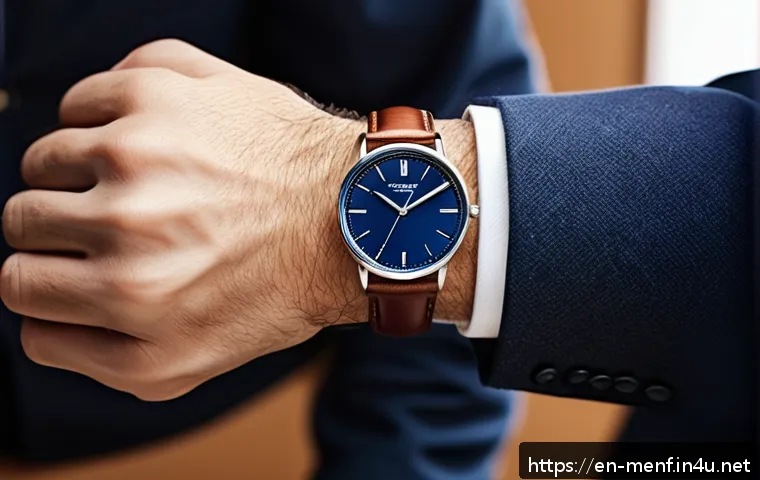
When I experimented with pairing a minimalist watch and a patterned pocket square with my tailored blazer, the overall effect was a subtle yet striking upgrade.
Accessories allow you to inject personality into classic pieces, making your style uniquely yours.
Streetwear and Luxury: The New Fashion Frontier
How High Fashion Meets Urban Culture
The boundary between luxury fashion and streetwear has blurred dramatically in recent years. Brands traditionally known for their formal attire have embraced casual styles, incorporating hoodies, sneakers, and graphic tees into their collections.
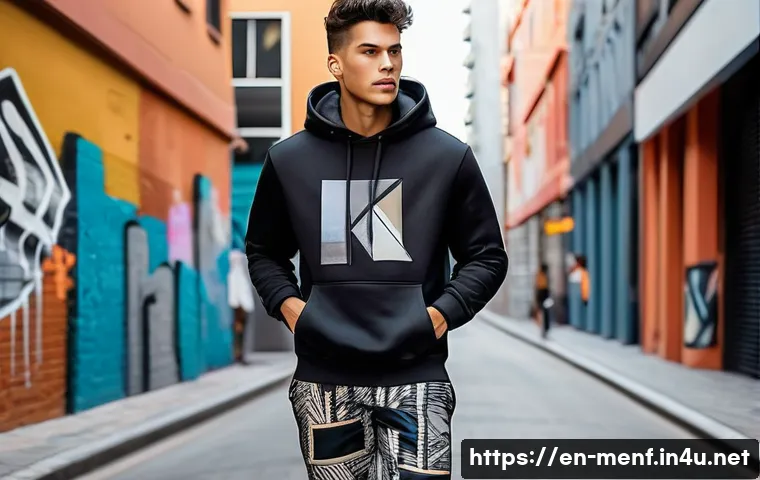
This crossover is exciting because it offers more versatility. I remember picking up a designer hoodie that combined premium cotton with edgy design elements—wearing it felt like I was merging comfort with high status effortlessly.
Limited Editions and Collaborations
One of the most thrilling aspects of this fusion is the surge in exclusive drops and collabs between luxury houses and streetwear labels. These partnerships create buzzworthy pieces that often become instant collectibles.
I personally waited in line for a release that paired a high-fashion brand with a popular streetwear label, and the hype was real. These items not only make a statement but often appreciate in value, making them a smart addition to any fashion-conscious collector’s wardrobe.
Incorporating Streetwear Into Your Daily Style
If you’re not used to mixing streetwear with designer pieces, it can feel intimidating at first. But the key is balance. For example, pairing designer sneakers with tailored trousers or a luxury blazer with premium joggers can create a look that’s modern yet refined.
I’ve found that starting with neutral colors helps ease the transition, and from there, you can add bolder accents as you grow more confident. The streetwear influence makes high fashion feel more accessible and dynamic than ever.
Iconic Pieces That Define Fashion Statements
The Power of Signature Outerwear
Certain garments become synonymous with a brand’s identity, and owning one instantly elevates your style. Think of a leather biker jacket, a sharply cut trench coat, or a statement bomber jacket.
These pieces often combine classic design with brand-specific details that make them instantly recognizable. I have a leather jacket that’s been my go-to for years; it’s not just about the look but also the way it ages beautifully over time, developing a unique patina that tells a story.
Footwear That Completes the Ensemble
Designer shoes are more than just foot coverings; they’re craftsmanship masterpieces. Whether it’s polished oxfords, chunky sneakers, or elegant loafers, the right pair can transform even the simplest outfit.
I’ve noticed that investing in high-quality footwear not only boosts my confidence but also improves comfort significantly. The difference in materials and sole construction is tangible, especially after a long day on your feet.
Statement Accessories as Conversation Starters
From bold watches to intricate scarves and designer eyewear, accessories offer an easy way to express personality. I once wore a distinctive designer belt to a casual gathering, and it sparked genuine compliments and questions about my style.
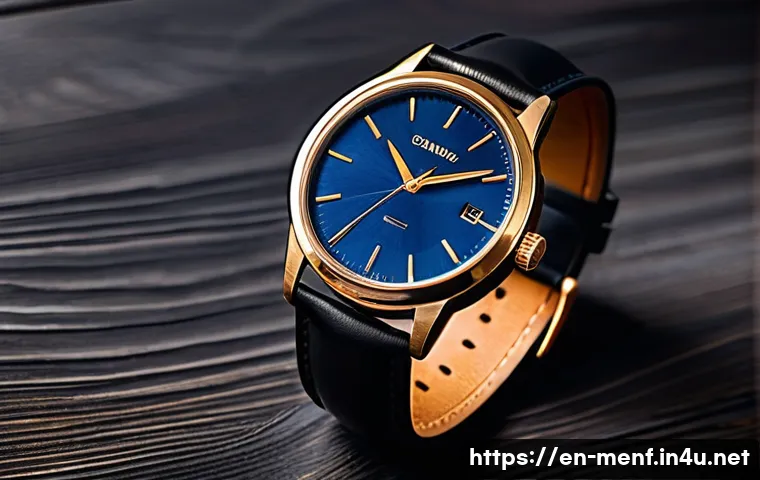
These small details often reveal a lot about your taste and attention to quality, making them powerful tools for personal branding.
How to Navigate the Investment in Designer Pieces
Prioritizing Versatility and Longevity
Buying designer isn’t just about splurging; it’s about investing wisely. I always look for pieces that fit multiple occasions and pair well with my existing wardrobe.
A well-made navy blazer, for example, can be dressed up or down, making it worth every penny. When you think about cost per wear, these versatile items often become the best financial decision in your closet.
Understanding Brand Value and Resale Potential
Some designer brands hold or even increase their value over time, especially limited editions or iconic items. I’ve sold a few pieces on resale platforms and was pleasantly surprised by how much interest they generated.
Knowing which brands and styles tend to retain value can make your purchases smarter and more strategic.
Balancing Trendy and Classic Buys
It’s tempting to chase every new release, but I’ve found that balancing trendy pieces with timeless classics leads to a more sustainable wardrobe. Trendy items add freshness and fun, but classics anchor your style and ensure you’re never out of place.
This balance not only helps with style longevity but also with overall satisfaction in what you wear daily.
Comparing Popular Labels: What Sets Them Apart?
Signature Styles and Brand DNA
Each designer has a unique approach to men’s fashion. Some focus on minimalism and clean lines, while others embrace bold prints and experimental cuts.
Knowing what a brand stands for helps you align your purchases with your personal style. For instance, if you prefer understated elegance, brands like Hermès or Brunello Cucinelli might resonate more than flashy streetwear brands.
Price Points and Accessibility
Designer brands vary widely in price and availability. Some are exclusive and require appointments or waiting lists, while others have more accessible ready-to-wear lines.
Understanding where a brand fits within this spectrum helps you plan your wardrobe and budget accordingly. I’ve learned to mix high-end splurges with more accessible pieces to create a balanced collection.
Customer Experience and Brand Loyalty
The luxury shopping experience often extends beyond the product itself. Many brands offer personalized services, alterations, and exceptional customer care that enhance the overall value.
I’ve had memorable experiences where the in-store stylists helped me discover pieces I wouldn’t have considered on my own, making the investment feel truly worthwhile.
| Brand | Signature Style | Typical Price Range | Known For |
|---|---|---|---|
| Gucci | Bold prints, eclectic designs, luxury streetwear | $500 – $3000+ | Iconic loafers, patterned shirts, statement accessories |
| Brunello Cucinelli | Understated luxury, neutral tones, high-quality knitwear | $1000 – $5000+ | Cashmere sweaters, tailored trousers, timeless elegance |
| Saint Laurent | Sleek tailoring, rock ‘n’ roll edge, monochrome palette | $800 – $4000+ | Leather jackets, slim suits, sharp boots |
| Off-White | Streetwear meets high fashion, bold graphics, industrial motifs | $300 – $1500+ | Graphic hoodies, sneakers, signature zip ties |
| Tom Ford | Sharp, glamorous tailoring, luxurious fabrics | $1500 – $7000+ | Evening wear, sophisticated suits, statement eyewear |
Styling Tips to Make Designer Pieces Work for You
Mixing High and Low for Effortless Style
You don’t need to wear head-to-toe designer to look polished. I often combine a designer jacket with more affordable jeans or sneakers to create a balanced, approachable look.
This mix helps avoid looking overly formal while still signaling style awareness. It’s about finding harmony, not matching labels.
Choosing Colors and Patterns Wisely
Designer pieces often feature bold colors and patterns, which can be intimidating to style. I recommend starting with neutral basics and adding one statement piece at a time.
For example, a bright patterned shirt paired with simple trousers can make you stand out without overwhelming your outfit. Over time, experimenting with color becomes easier and more fun.
Confidence Is Your Best Accessory
At the end of the day, no designer label can substitute for how you wear your clothes. I’ve noticed that when I feel good in what I’m wearing, it translates into my posture and interactions.
Wearing designer pieces is not about impressing others, but about expressing your identity and feeling authentic. That confidence is what truly makes a style unforgettable.
In Conclusion
Luxury fashion is more than just clothing; it’s an experience crafted through heritage, quality materials, and expert tailoring. Wearing designer pieces elevates your confidence and personal style in a way that mass-produced items simply can’t match. By understanding the balance between timelessness and trend, you can build a wardrobe that reflects both sophistication and individuality.
Useful Tips to Remember
1. Invest in versatile pieces that can be styled for multiple occasions to maximize cost per wear.
2. Prioritize fit and tailoring, as even the most expensive garments lose impact without proper customization.
3. Mix designer items with accessible basics to create a balanced, approachable look.
4. Start with neutral colors when experimenting with bold patterns or streetwear influences.
5. Confidence is key—how you carry your outfit makes the biggest statement.
Key Takeaways
Choosing luxury fashion is about smart investment, not just splurging. Focus on quality materials and craftsmanship that offer longevity and comfort. Tailoring ensures your clothes complement your silhouette, enhancing presence and confidence. Balancing classic staples with trendy pieces keeps your wardrobe fresh yet timeless. Finally, accessories and thoughtful styling personalize your look, making designer fashion truly your own.
Frequently Asked Questions (FAQ) 📖
Q: Why should I invest in men’s designer brands instead of regular clothing?
A: Investing in men’s designer brands goes beyond just owning a piece of clothing—it’s about embracing quality, exclusivity, and style that lasts. Designer pieces are crafted with superior materials and meticulous attention to detail, which means they not only look better but also tend to last longer than regular clothing.
Plus, wearing designer labels often elevates your confidence and helps you make a memorable impression, whether at work, social events, or casual outings.
From my personal experience, even a single designer accessory or tailored jacket can instantly upgrade an entire outfit, making it worth the investment.
Q: Which men’s designer brands are currently trending and worth checking out?
A: Right now, brands like Gucci, Saint Laurent, and Balenciaga are leading the pack with their mix of classic tailoring and edgy streetwear vibes. Gucci’s bold prints and statement accessories have been everywhere, while Saint Laurent nails that sleek, rock-inspired elegance.
Balenciaga pushes boundaries with its oversized silhouettes and innovative designs that resonate with younger fashion enthusiasts. Additionally, brands like Prada and Tom Ford remain timeless choices for those who prefer sophisticated luxury.
I’ve noticed that mixing pieces from these labels with more casual items creates a balanced, modern look that’s perfect for today’s fashion landscape.
Q: How can I style designer pieces without looking overdressed or trying too hard?
A: The key is balance and context. Pairing a standout designer item—like a tailored blazer or unique sneakers—with simple basics can create a sharp but effortless look.
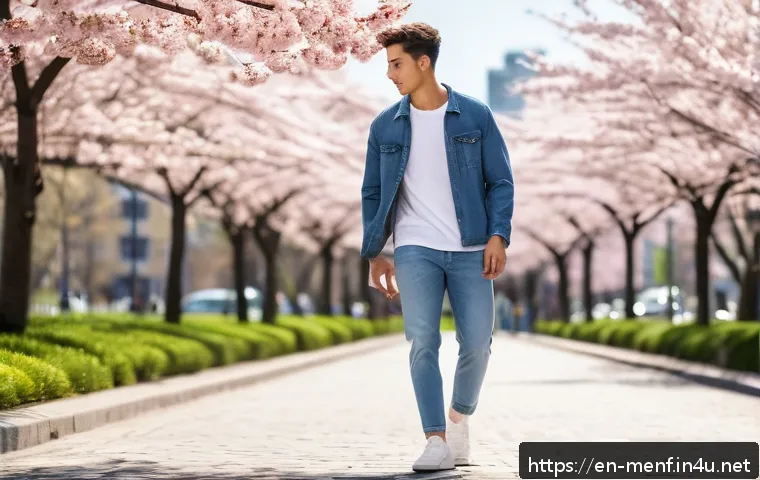
For example, wearing a high-end jacket over a plain white tee and well-fitted jeans instantly elevates your outfit without feeling over the top. Also, consider the occasion; subtle designer details like a quality watch or belt can add polish to everyday wear without screaming luxury.
From what I’ve experienced, confidence and comfort go hand in hand, so choose pieces that reflect your personal style and feel natural to wear. This way, you come off as effortlessly stylish rather than overly flashy.