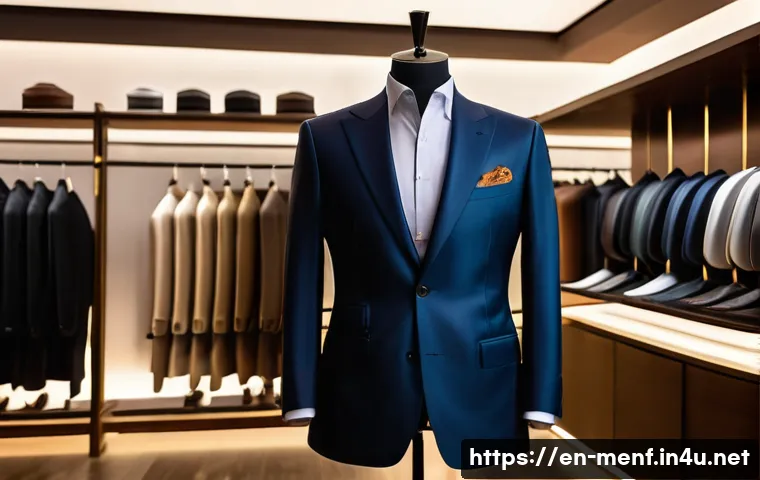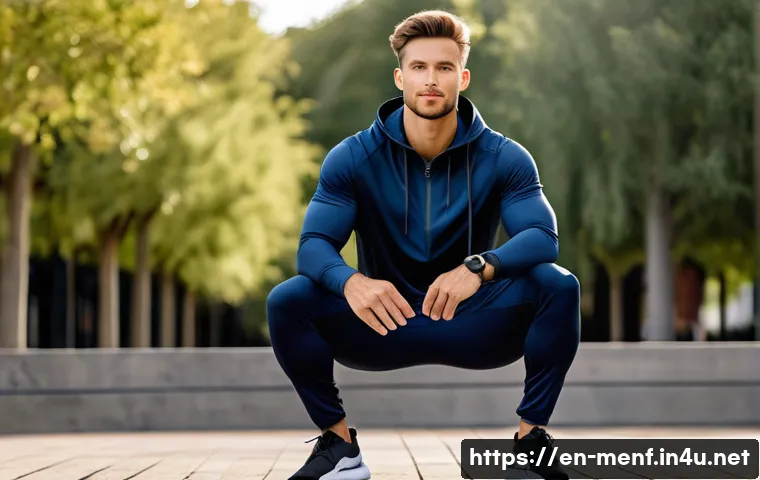
When it comes to men’s activewear, style goes far beyond just comfort and functionality. The right outfit can boost your confidence whether you’re hitting the gym, running errands, or meeting friends for a casual hangout.
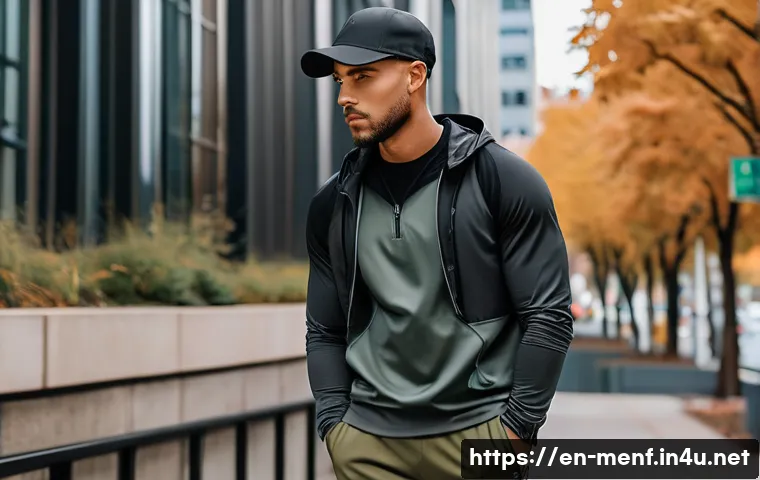
From choosing the perfect fit to mixing and matching colors and textures, there’s a lot more to consider than you might think. I’ve found that small tweaks, like layering or accessorizing smartly, can completely elevate your look.
If you want to step up your game and feel great in what you wear, this guide is for you. Let’s dive in and explore how to master men’s activewear styling with ease!
Finding the Ideal Fit for Maximum Confidence
Understanding Your Body Type
Getting the right fit starts with knowing your body shape and what styles complement it best. For example, if you have a lean build, slim-fit activewear can highlight your physique without feeling restrictive.
On the other hand, if you’re more muscular or broad-shouldered, look for pieces with a bit more stretch or room in the shoulders and chest. I’ve personally noticed that wearing overly baggy clothes can make me look sloppy, while too-tight outfits become uncomfortable quickly.
So, finding a balance is crucial not just for comfort but also for looking sharp.
Balancing Comfort with Style
Many guys think comfort and style are mutually exclusive when it comes to activewear, but that’s far from true. Fabrics like moisture-wicking polyester blends and breathable mesh panels allow you to move freely and stay cool, while tailored cuts keep your silhouette clean and stylish.
I once tried a pair of joggers that were super soft but shapeless, and honestly, they didn’t do much for my confidence. Switching to tapered joggers with a slight stretch made a noticeable difference in how I felt, both during workouts and casual outings.
Choosing the Right Size: Don’t Guess, Try On
Sizes can vary drastically between brands, so guessing your size based on labels alone is a rookie mistake. I’ve wasted money on shirts labeled as ‘medium’ that fit like a tent, and others that were borderline suffocating.
My tip? Always try activewear on if possible or check detailed size charts and customer reviews online. When shopping, pay attention to key areas like shoulder seams, sleeve length, and waistbands.
A well-fitted piece should feel like a second skin without any pinching or sagging.
Playing with Colors and Patterns to Stand Out
Neutral Basics as Your Foundation
Starting with neutral colors like black, gray, navy, or white gives you a versatile base that’s easy to mix and match. These shades are timeless and can be paired with bolder accents without clashing.
I often rely on a classic black hoodie or navy joggers for everyday wear because they feel effortless yet put-together. Plus, neutrals don’t show sweat marks as much, which is a practical bonus for activewear.
Incorporating Bold Colors and Prints
Once you have your basics down, adding pops of color or subtle patterns can elevate your look. Think about a vibrant red or electric blue windbreaker paired with simple black leggings or shorts.
I’ve found that graphic tees with understated prints or color-blocked panels add personality without overwhelming the outfit. Just be mindful of not overdoing it—too many bright pieces can feel chaotic rather than stylish.
Seasonal Color Swaps
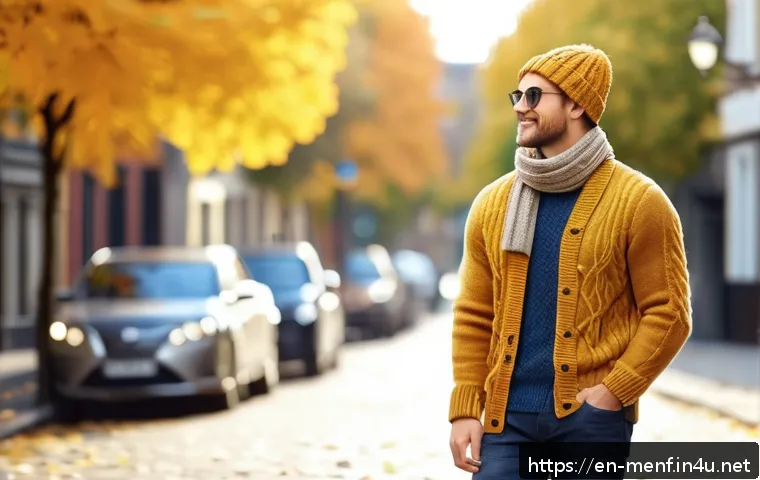
Adjusting your color palette based on the season can refresh your activewear game. For example, in fall and winter, deeper hues like forest green, burgundy, or charcoal work great, while spring and summer invite lighter pastels or even neon tones.
I like switching to olive green joggers in the fall because they feel cozy and match the season’s vibe, while my summer staples include crisp white tees and light gray shorts for a cooler feel.
Layering Techniques That Work
Lightweight Layers for Transitional Weather
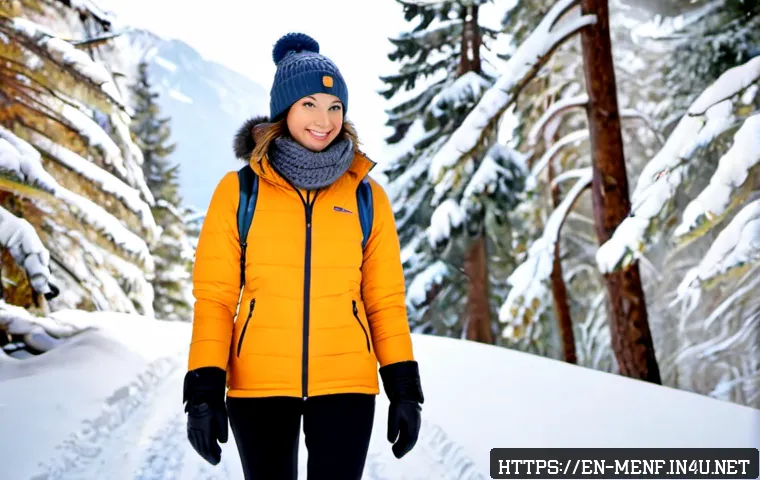
Layering isn’t just for the cold; it’s a smart way to adapt your outfit to changing temperatures. A breathable base layer like a fitted long-sleeve shirt under a zip-up hoodie or a windbreaker keeps you comfortable throughout your day.
I usually wear a moisture-wicking tee underneath and add or remove layers as needed. This approach has saved me from overheating during workouts or feeling chilled afterward.
Mixing Textures for Visual Interest
Combining different textures—such as smooth nylon jackets with soft cotton tees or ribbed knit socks—adds dimension to your look without extra effort.
It’s a subtle styling trick I picked up after noticing how some outfits felt flat despite good color coordination. Playing with textures makes your outfit more dynamic, giving off a sense of thoughtfulness and style savvy.
Practical Layering Tips
When layering, consider how each piece fits together. Avoid bulky items that restrict movement or create awkward shapes. Instead, opt for slim, stretchable fabrics that layer smoothly.
I’ve learned that layering a fitted hoodie under a puffer vest is a great combo for casual outings without feeling weighed down. Also, don’t forget functional details like zippered pockets or thumbholes in sleeves for added convenience.
Accessorizing to Enhance Your Active Look
Choosing Functional Accessories
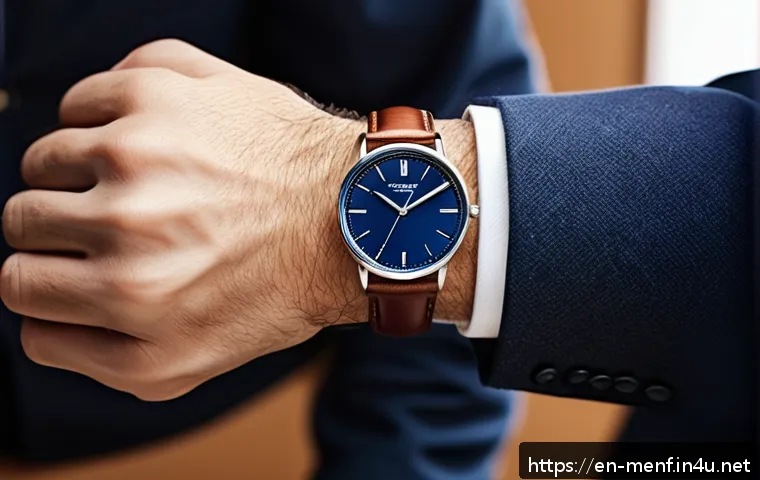
Accessories aren’t just decorative; they can improve your activewear’s practicality. A sleek fitness watch helps track your progress, while a lightweight cap shields your face from sun or rain.
I’m a big fan of minimalistic backpacks with water-resistant fabrics that match my outfit and carry essentials without bulk. These small additions make a big difference in both style and function.
Footwear: The Foundation of Your Outfit
Shoes can make or break your activewear look. Sneakers with clean lines and neutral colors tend to be the most versatile. I’ve noticed that investing in a quality pair of running shoes that look good off the track has saved me from constantly switching footwear.
Whether it’s a gym session or grabbing coffee, the right kicks tie the entire outfit together and elevate your overall vibe.
Smart Use of Headwear and Socks
Don’t underestimate the power of a well-chosen hat or socks. Beanies or baseball caps can add personality and protect you from the elements, while patterned or colorful socks peek out just enough to show some flair.
I often experiment with different sock styles to add a subtle pop of color, especially when wearing cropped pants or shorts.
Mixing and Matching: Creating Versatile Outfits
Building a Capsule Activewear Wardrobe
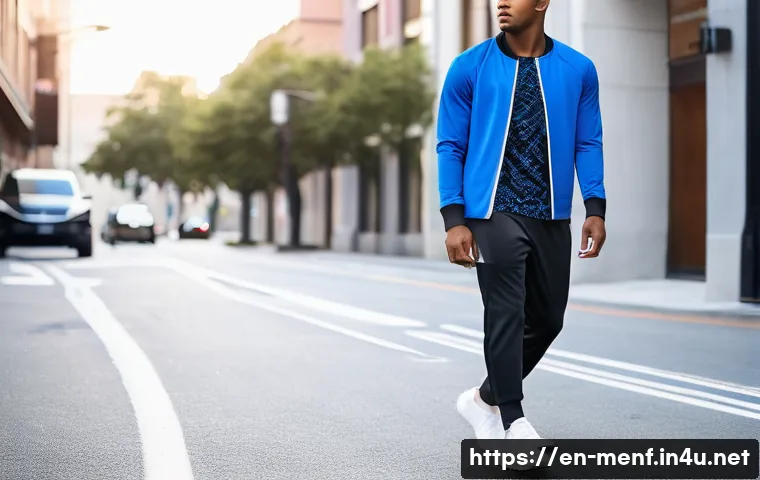
A capsule wardrobe with a few key pieces that interchange easily is a game-changer. Think about selecting neutral bottoms, versatile tops, and statement outerwear that can all pair well together.
I’ve streamlined my collection to focus on quality over quantity, which makes outfit choices faster and more reliable. This strategy keeps your style consistent while reducing decision fatigue.
Combining Casual and Sporty Elements
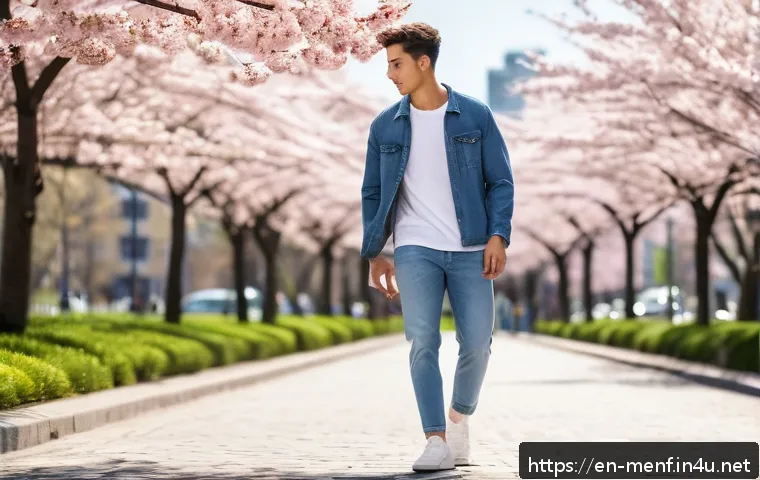
Activewear doesn’t have to be reserved for workouts alone. Mixing sporty pieces with casual staples like denim jackets or simple sneakers can create a stylish, laid-back look.
I like wearing joggers with a plain white tee and a bomber jacket for weekend errands or meetups. This blend feels effortless and adaptable, perfect for days when you want comfort without sacrificing style.
Transitioning from Day to Night
With the right pieces, you can easily shift your activewear from a daytime workout to a casual evening hangout. Swap out your running shoes for sleek trainers and add a casual blazer or leather jacket to elevate your look.
I’ve done this several times, and it’s surprisingly effective for those spontaneous plans after the gym. It’s all about layering smartly and choosing versatile colors.
Material Matters: Choosing Fabrics That Perform and Impress
Breathability and Moisture Management
Fabrics that wick away sweat and allow your skin to breathe are essential for comfort and maintaining a fresh look. I’ve tried cotton-only activewear before and quickly realized it gets heavy and soggy during intense workouts.
Switching to polyester blends with mesh inserts has kept me cooler and feeling dry. This not only improves performance but also helps your outfit look crisp longer.
Durability and Stretch
Activewear needs to move with you without losing shape. Materials with elastane or spandex provide that stretch and resilience. I learned the hard way that cheap fabrics can lose elasticity after a few washes, leading to sagging or uncomfortable fits.
Investing in durable, stretchy fabrics ensures your clothes last and maintain their stylish appearance.
Eco-Friendly and Sustainable Options
More brands are offering sustainable activewear made from recycled or organic materials. Besides being better for the planet, these fabrics often come with superior quality and comfort.
I’ve recently tried leggings made from recycled polyester, and they felt just as good—if not better—than my standard ones. Choosing eco-friendly options can add an ethical boost to your style, which feels great on and off the body.
Practical Care Tips to Keep Your Activewear Looking Fresh
Washing and Drying Best Practices
Proper care extends the life of your activewear dramatically. I always wash my workout clothes inside out and use cold water to prevent fading and fabric damage.
Avoiding fabric softeners is key since they can clog moisture-wicking properties. Air drying is preferable to maintain elasticity and shape, though sometimes I use a low-heat setting if I’m in a rush.
Storage and Organization
Keeping your activewear organized helps you maintain a polished look and prolongs fabric quality. I fold my joggers and tees neatly and hang jackets to avoid wrinkles.
Using drawer dividers or dedicated workout baskets keeps everything in order and ready to wear. It’s a small habit but makes a big difference when you’re rushing to get dressed.
Repairing Minor Wear and Tear
Instead of tossing activewear at the first sign of wear, I’ve found that small repairs go a long way. Fixing loose threads, patching minor holes, or reinforcing seams can keep your favorite pieces in rotation longer.
Learning a few basic sewing skills or visiting a tailor has saved me money and helped maintain my style consistency.
| Aspect | Recommended Approach | Personal Insight |
|---|---|---|
| Fit | Balance between snug and relaxed; know your body shape | Tapered joggers improved both comfort and confidence |
| Colors | Start with neutrals, add bold accents thoughtfully | Neutral basics like black and navy are my daily go-tos |
| Layering | Use lightweight, breathable layers with texture contrast | Layering a fitted hoodie under a vest works great for casual outings |
| Accessories | Functional and stylish—watches, caps, and clean sneakers | Minimalistic backpacks and sleek sneakers complete my look |
| Fabric | Choose moisture-wicking, stretchy, and durable materials | Polyester blends with spandex last longer and feel better |
| Care | Cold wash inside out, avoid fabric softeners, air dry | Proper care keeps colors vibrant and shapes intact longer |
Wrapping Up
Finding the perfect activewear fit is about balancing comfort, style, and functionality tailored to your unique body and preferences. By paying attention to fabrics, colors, and layering techniques, you can boost both confidence and performance. Remember, investing time in choosing and caring for your gear pays off with lasting style and comfort. Ultimately, your activewear should support your lifestyle seamlessly, making every move feel natural and confident.
Useful Tips to Keep in Mind
1. Always know your body shape before selecting activewear to ensure the best fit and comfort.
2. Start with neutral colors as a foundation, then introduce bold accents thoughtfully to express personality.
3. Layer lightweight, breathable fabrics that complement each other for both style and adaptability.
4. Choose accessories that add function and flair, such as sleek sneakers and practical hats.
5. Proper care—like washing inside out with cold water and avoiding fabric softeners—extends the life of your activewear.
Key Takeaways
Prioritize fit by balancing snugness and freedom of movement according to your body type. Build a versatile wardrobe based on neutral basics enhanced with selective pops of color. Utilize smart layering to adapt to weather changes without sacrificing style. Select high-quality, moisture-wicking, and stretchy fabrics for durability and comfort. Finally, maintain your activewear through proper washing, drying, and minor repairs to keep your gear looking fresh and lasting longer.
Frequently Asked Questions (FAQ) 📖
Q: How can I find the perfect fit for men’s activewear without sacrificing comfort?
A: Finding the right fit is all about balance. You want activewear that moves with you but doesn’t feel baggy or restrictive. I usually recommend trying on different brands and focusing on pieces with a bit of stretch—think fabrics like spandex blends.
Pay attention to the length of sleeves and pants; too long can look sloppy, too short can be uncomfortable. Also, consider your activity: tighter fits work well for running or intense workouts, while looser styles are better for casual wear or light exercise.
Don’t hesitate to size up or down depending on the cut—sometimes a medium in one brand fits like a small in another. Comfort and confidence come hand in hand when your clothes feel tailored to your body.
Q: What are some easy ways to mix and match colors and textures in men’s activewear?
A: Mixing colors and textures can seriously level up your look without much effort. Start with neutral basics like black, gray, or navy as your foundation—they’re versatile and easy to pair.
Then, add a pop of color with a jacket, sneakers, or even socks. Texture-wise, combining smooth fabrics like nylon with something more rugged like cotton or mesh creates visual interest.
For example, I love pairing a sleek, moisture-wicking tee with joggers that have a subtle ribbed texture. Layering is also a game-changer; a lightweight hoodie over a fitted tee not only adds depth but keeps you ready for changing temps.
The key is to keep it balanced and avoid clashing patterns or too many bold colors at once.
Q: What accessories work best with men’s activewear to enhance style without overdoing it?
A: Accessories should complement your activewear, not overpower it. From my experience, a clean, minimalist watch or a sleek fitness tracker adds a functional yet stylish touch.
Caps or beanies are great for outdoor workouts or casual hangouts, and they add personality without trying too hard. Sunglasses with a sporty vibe can also elevate your look, especially if you’re out and about during the day.
When it comes to bags, a streamlined backpack or a crossbody sling bag works perfectly for carrying essentials while keeping your hands free. Just remember: less is more.
Choose one or two key pieces to highlight your outfit and keep everything else simple.